


By Katsuhiro Asagiri
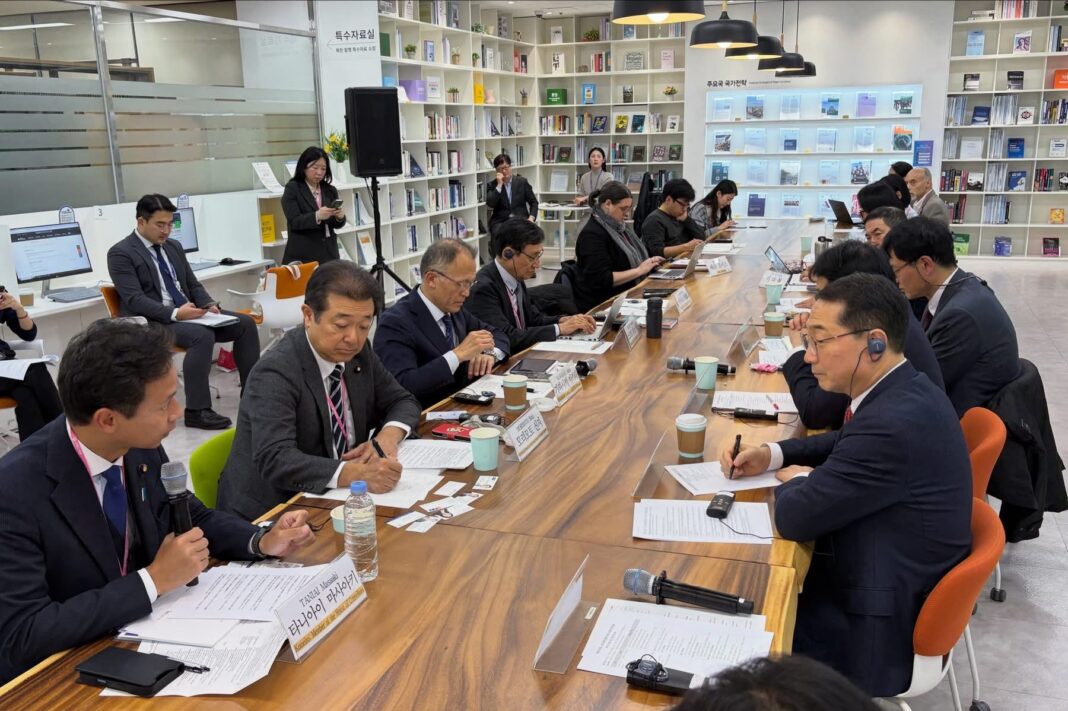
TOKYO (INPS Japan) — When Japanese and South Korean lawmakers gathered at the National Assembly Library in Seoul on November 16, they confronted a dilemma familiar to both countries: how to reduce nuclear dangers while depending on American nuclear weapons for protection.
In Japan, the future of the country’s longstanding non-nuclear principles is under debate. In South Korea, an August Gallup Korea poll found that 65 percent of respondents supported acquiring an independent nuclear arsenal. The policy choices differ, but both debates reflect the central place nuclear weapons occupy in the region’s security calculations.
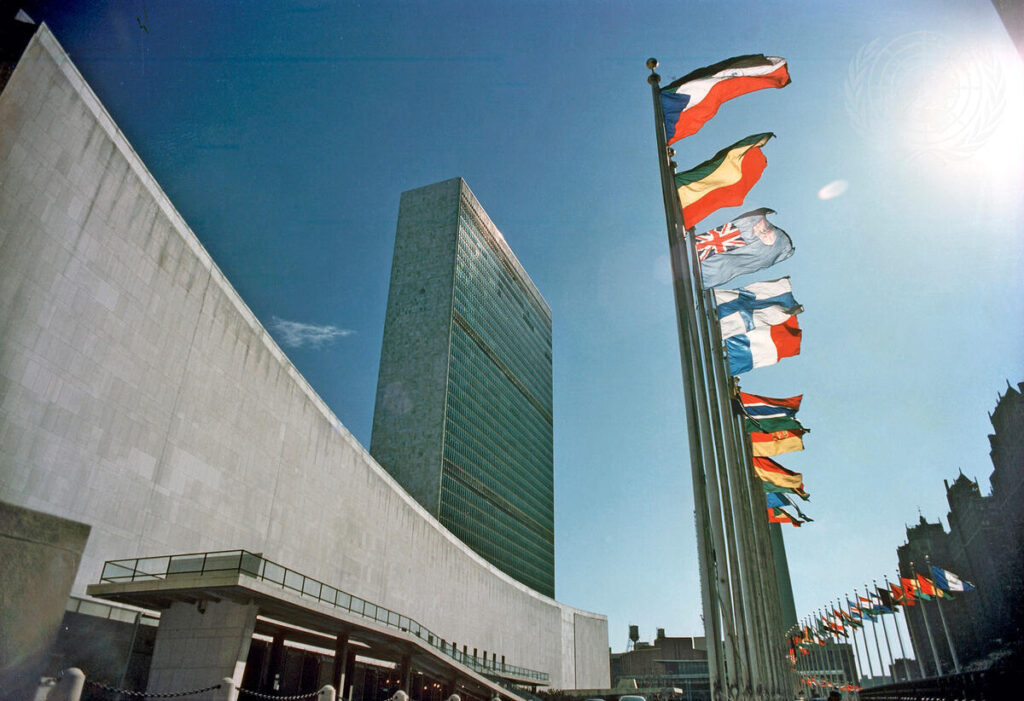
The Seoul meeting came two weeks before the first review conference of the Treaty on the Prohibition of Nuclear Weapons, which runs from November 30 through December 4 at United Nations headquarters in New York, under South Africa’s presidency. The gathering offered a glimpse of the political challenge facing disarmament advocates: finding room for diplomacy in countries whose security depends in part on nuclear deterrence.
Japan’s Three Non-Nuclear Principles — not possessing, producing or permitting the introduction of nuclear weapons — date to a declaration by Prime Minister Eisaku Sato in 1967. Their treatment has become a focus of debate ahead of a planned revision of three security policy documents by year’s end.
Prime Minister Sanae Takaichi has said the principles remain government policy, while leaving open how they will be worded in the revised documents. That leaves an unresolved question about how a longstanding political commitment will be expressed in Japan’s next security framework.
At the Seoul dialogue, co-organized by the Japan Campaign to Abolish Nuclear Weapons, lawmakers and civil society representatives explored practical cooperation. Japanese participants included Masaaki Taniai of Komeito and Shinji Morimoto of the Constitutional Democratic Party, both members of the upper house. Civil society speakers included Akira Kawasaki of the campaign and Meri Joyce of GPPAC Northeast Asia, a regional conflict-prevention network.
Mr. Taniai argued that greater dependence on nuclear deterrence alone could not fundamentally reduce the threats confronting the two countries, according to a November 17 account in the Komei Shimbun, Komeito’s newspaper. He urged them to strengthen cooperation on disarmament.
He pointed to an existing basis for cooperation: South Korea’s support for every provision of Japan’s nuclear-disarmament resolution submitted to the U.N. General Assembly in October. He also outlined his party’s proposal for sustained security dialogue involving China, alongside continued cooperation among Japan, South Korea and the United States.
The proposed work was concrete: preventing accidental clashes, improving crisis management and reducing nuclear risks. Cooperation in those areas, Mr. Taniai suggested, could build trust among countries divided over wider questions of security.

Mr. Morimoto’s account underscored the difficulty. North Korea’s continuing nuclear development left many obstacles to a common approach to disarmament, he wrote in a social media post after the meeting. Still, he suggested, continued dialogue could open new prospects.
According to OBC, a South Korean broadcaster, the lawmaker Kim Joon-hyung warned that Japan’s military expansion and North Korea’s advancing nuclear capabilities could increase the risk of a conflict neither Japan nor South Korea wanted. He urged political parties and civil society groups to understand one another’s concerns and seek peaceful solutions.
The international setting offers little reassurance. This year’s review conference of the Nuclear Non-Proliferation Treaty failed to agree on a substantive outcome document, following similar failures in 2015 and 2022. The New START treaty between the United States and Russia expired on February 5, removing its binding limits on their strategic nuclear arsenals.
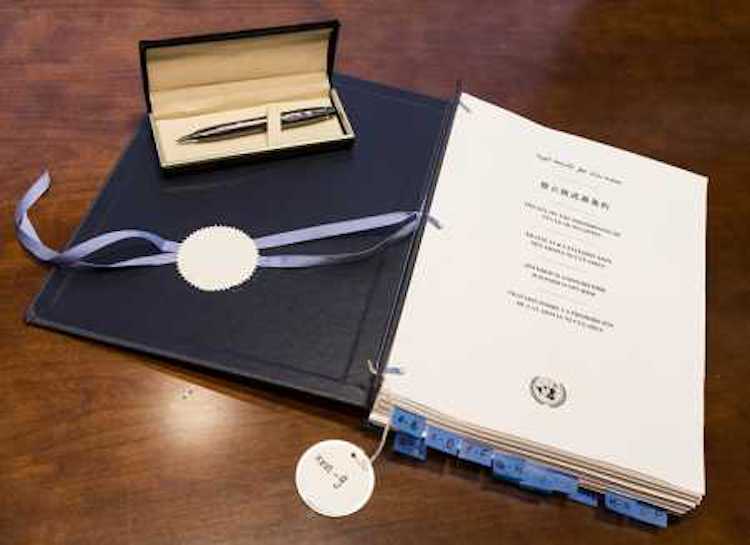
The nuclear ban treaty, which entered into force in January 2021, has 75 states parties. No nuclear-armed country has joined. Its parties and signatories say it complements the nonproliferation treaty, providing another instrument for pursuing a world without nuclear weapons.
Japan’s immediate choice is whether to take a seat at the New York conference. The Asahi Shimbun reported on November 17 that the government was moving toward forgoing observer participation.
The government has previously argued that attendance could send misleading signals about its nuclear deterrence policy. Observer status would not make Japan a party to the treaty. It would allow the country to join the discussions without committing to membership.
In Seoul, Mr. Taniai highlighted Komeito’s calls for Japan to attend treaty meetings as an observer. He stressed the need to bridge divisions between nuclear-armed and non-nuclear states in pursuing a world without nuclear weapons.
For groups representing people harmed by nuclear weapons, the approaching conference also presents a practical question: how international promises can become sustained assistance.
In 2025, organizations representing Korean atomic bomb survivors and their descendants joined the International Campaign to Abolish Nuclear Weapons in urging governments to join the treaty and cooperate on victim assistance. Their appeal brought a cross-border dimension to a debate often framed around national security.
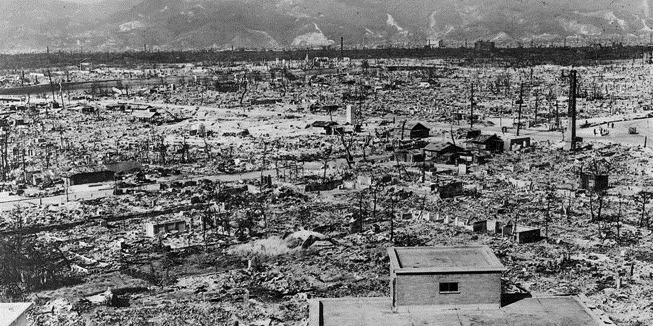
The mayors of Hiroshima and Nagasaki made a related appeal on October 30. They urged Japan to attend the review as an observer and share its experience of supporting hibakusha, or atomic bomb survivors. They also called for maintaining the Three Non-Nuclear Principles.
Victim assistance and environmental remediation are explicit items on the conference’s provisional agenda. Under Article 6 of the treaty, states parties must assist people under their jurisdiction affected by nuclear weapons use or testing. That includes health care, rehabilitation, psychological support and measures to promote social and economic inclusion.
States parties must also take appropriate steps to address contamination in areas under their jurisdiction or control. An international trust fund to support assistance and remediation is under consideration. Resources and implementation will help determine what those commitments mean for affected communities.
The treaty’s parties have emphasized radiation’s disproportionate effects on women and girls and the need for assistance tailored to age and gender. That emphasis places the differing needs of affected people alongside national commitments in assessing how the treaty is carried out.
Mr. Taniai also stressed disarmament education and communicating the consequences of the atomic bombings. His argument in Seoul was that countries facing nuclear threats could have a role in reducing them.
“Japan and South Korea face nuclear threats, but they should also be able to help reduce those threats through diplomacy,” he said, according to the Komei Shimbun.
This article is produced to you by IPS NORAM, in collaboration with INPS Japan and Soka Gakkai International, in consultative status with UN ECOSOC.

INPS Japan
Related artices:
From Vienna to New York: Nuclear Governance Faces New Tests Ahead of First TPNW Review Conference
Nuclear Victims’ Experiences Must Be at the Heart of Global Efforts for Assistance and Remediation
The World’s Ongoing Conflicts Underline Nuclear and Non-Nuclear States