




An interfaith webinar examined how religious communities can turn moral conviction into organized action, put affected communities at the center and give young people room to lead.
By Katsuhiro Asagiri
TOKYO (INPS Japan) — How can concern about nuclear weapons be translated into education, political advocacy and organized nonviolent action? As civil society prepares for the first Review Conference of the Treaty on the Prohibition of Nuclear Weapons (TPNW), an interfaith webinar on October 29 examined the practical contributions faith communities can make.
“Choose Life: Faith Communities and the Movement for a World Without Nuclear Weapons” was the second in a three-part series. Following an opening session on September 30 that explored why faith communities must engage in nuclear abolition, this discussion focused on action.
The organizers were the International Campaign to Abolish Nuclear Weapons (ICAN), Soka Gakkai International (SGI), the American Friends Service Committee, the Bahá’í International Community, the Gandhi Development Trust, the United Church of Christ, Voices for a World Free of Nuclear Weapons and the World Methodist Council. Hayley Ramsay-Jones of SGI moderated.
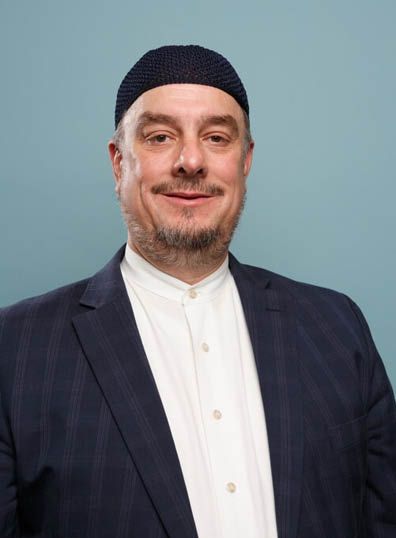
Imam Saffet Catović, a Bosnian American and director of United Nations operations for Justice For All, traced his involvement in nuclear abolition to a multifaith gathering he attended at the United Nations in 2018.
There, Dr. Ira Helfand of ICAN and International Physicians for the Prevention of Nuclear War (IPPNW) explained nuclear winter and what even a supposedly “limited” nuclear exchange would do to the atmosphere, agriculture and food supplies. Hearing that account, Catović said, something shifted in him.
“This wasn’t an abstract policy debate. This is a direct threat to the divine trust.”
Catović connected that experience with the Islamic understanding of humanity’s responsibility to care for and protect the Earth and all its inhabitants. The sanctity of human life, the dignity of the human person and the integrity of creation “are not negotiable,” he said. Nuclear weapons, he added, are a direct assault on all three.
Drawing on his experience as a survivor of genocide in Bosnia and Herzegovina, he pointed to the corporations, government agencies, military planners and institutional structures that sustain both nuclear and conventional weapons. Opposition to nuclear weapons, he argued, must also confront the conventional war machine that shares their architecture.
He also addressed the harm suffered by hibakusha, Indigenous peoples, Pacific Islanders, communities downwind of nuclear test sites and women. The abolition movement must do more than work for affected communities: it must be led with them. When religious leaders are given a platform, he said, they should step back and make room for those communities to speak for themselves.
His practical proposal began locally. Individual churches, mosques, synagogues, gurdwaras and temples could publicly endorse the TPNW and call for no-first-use policies, making their positions known through newspaper opinion pieces and other means. They could then work with local interfaith networks to press municipalities to adopt similar resolutions.
Rivera Sun, a novelist and program coordinator for Pace e Bene/Campaign Nonviolence, challenged the assumption that raising one’s voice loudly enough will bring political change.
What is needed, she said, is a systematic assessment of the “strategic vulnerabilities” of the nuclear weapons system, followed by targeted campaigns. Permits, supply chains, skilled workers and political backing could all provide points of leverage.
As an example, she cited the production of plutonium pits — core components of nuclear warheads — for the modernization of the U.S. arsenal. With only a few facilities, including Los Alamos, able to undertake that work, she stressed the strategic importance of directing campaigns toward such points.
Nonviolent action, Sun explained, does more than raise awareness. It can also affect the flow and availability of resources needed to manufacture, store and deploy nuclear weapons. Rather than simply repeating individual actions, organizers need to design campaigns that build on one another and move the broader movement toward its goals.
She suggested asking people to commit to specific objectives over six to nine months, rather than to devote their entire lives to the cause. If a campaign does not succeed, participants can pause, catch their breath, regroup and rethink their strategy. People have lives to lead and other issues to work on.
Those who have spent years organizing also need rest. “We don’t want to lose the hard-won experience through burnout,” she said.
Sun cautioned against alarming people without showing them a way to act. If they do not know where their concern and anxiety can have an effect, they will put the issue “on the back shelf of their minds.” Communicating the danger must be accompanied by a practical path through which people can help prevent the outcome they fear.
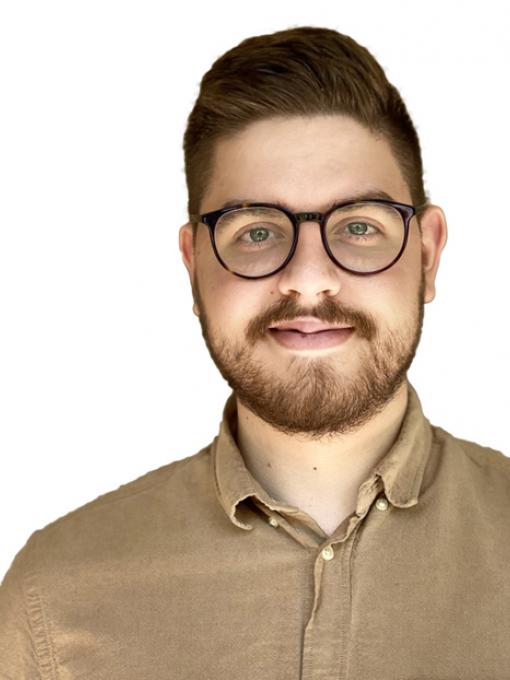
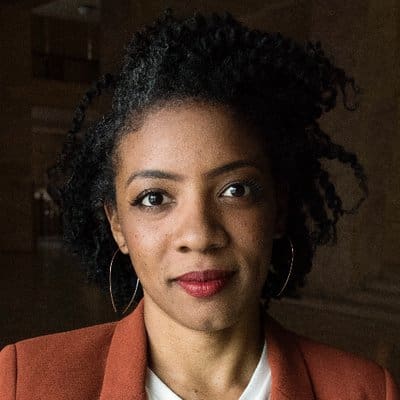
Allen Hester, who leads the nuclear disarmament and Pentagon spending portfolio at the Friends Committee on National Legislation (FCNL), a Quaker advocacy organization, described the obstacles he encounters in Washington.
Congressional debate, he said, tends to revolve around nuclear deterrence, competition among major powers and arms races. Staff members handling numerous issues have limited time to develop expertise in nuclear policy. Nuclear weapons often become a political priority only when threats make headlines, reinforcing a debate centered on competition and fear.
Yet unease about nuclear weapons crosses party lines. Hester said staff members from both parties had privately expressed concern when the U.S.-Russian New START treaty expired on February 5, 2026. He also saw opportunities for bipartisan cooperation on safeguards against artificial intelligence independently deciding to launch or detonate nuclear weapons.
Faith communities, he argued, can bring moral and human rights perspectives into a debate dominated by the language of national security.
“We say the words nuclear deterrence to avoid saying the truth,” Hester said. That truth, he explained, is preparing and planning for nuclear war. When constituents raise human rights concerns and the consequences for their communities and those affected by nuclear weapons, legislators have to think more deeply about what they are endorsing and what they are rubber-stamping.
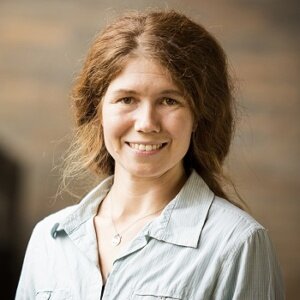
Young people, too, need a concrete understanding of the issue and a real role in addressing it, said Andrea Yuji Balestra, education coordinator at Senzatomica.
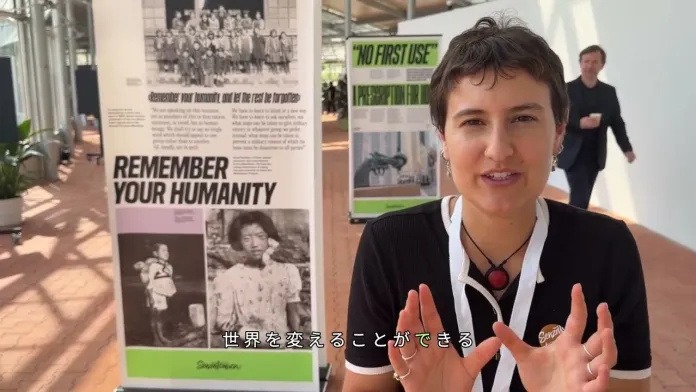
Senzatomica is the nuclear disarmament campaign of the Be The Hope Foundation, which grew out of the Italian Buddhist Institute Soka Gakkai. Its touring exhibition has welcomed nearly half a million visitors in more than 100 cities.
Balestra described nuclear weapons as the top of a “pyramid of violence.” At its base lie distorted human relationships: indifference, fear, contempt and the belief that some lives are worth less than others.
“If we want to dismantle the top of that pyramid, we also have to work on its foundations.”
At the exhibition’s exit, visitors walk alone through a narrow passage called the “Tunnel of Intention.” Inside, they speak into a microphone, leaving a message of hope: one sentence in their own words. Those messages then welcome new visitors at the entrance.
Visitors do not simply receive a message; they leave one. As Balestra put it, “the final word is theirs.”
In commissioned evaluations of the exhibition’s impact on students, learning more was strongly associated with greater awareness and a stronger sense of shared responsibility, and less strongly with anxiety, he said. Learning about nuclear weapons need not make young people anxious; it can also encourage them to take responsibility.
Balestra also referred to a 2006 proposal for United Nations reform by Daisaku Ikeda, Soka Gakkai’s third president. He emphasized the importance of creating opportunities for younger generations, less bound by the past, to explore new ideas and paths toward peace and shared prosperity.
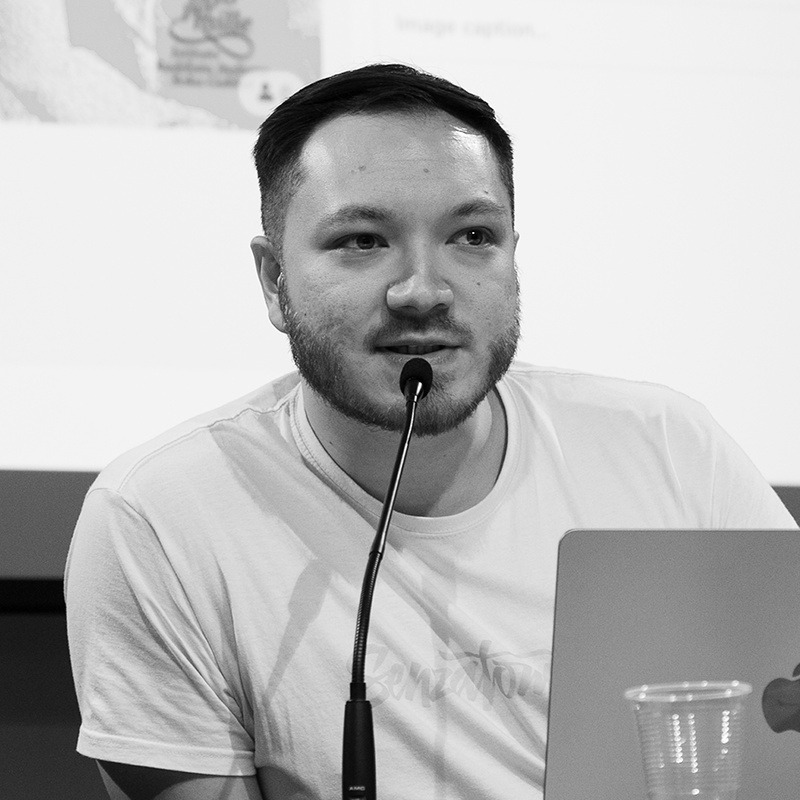
“Hope doesn’t always come first.”
Sometimes, taking a small step with someone else creates hope. Action makes a distant, abstract problem concrete and shows people where they can contribute. Small achievements reveal the possibility of change and provide the energy to take another step. Friendships formed through acting together bring joy, and that joy helps sustain the work.
“Trust young people. Don’t only ask them to listen, give them space to lead.”
Questions from participants brought the discussion back to everyday practice. Asked how prayer vigils outside Scotland’s nuclear submarine base could influence politicians, Sun advised identifying the intended audience, bringing the action to decision-makers’ attention and making a specific demand.
“The main thing is we have to make our actions unignorable.”
The series will continue on November 29 with an in-person event at the Nuclear Ban Forum at Riverside Church in New York. The TPNW’s first Review Conference is scheduled for November 30 to December 4 at United Nations Headquarters.
Balestra’s suggestion for an immediate first step was to create a space where young people can discuss nuclear weapons and peace in their own words. Rather than arriving with all the answers, adults should ask questions, listen to young people’s ideas and help turn at least one of them into action.

During a visit to Japan last year, the 80th anniversary of the atomic bombings, his team heard hibakusha urge them to entrust everything to young people. Young people’s creativity, their ability to open new paths and their enthusiasm, he recalled, give the survivors themselves renewed strength and allow their stories to continue into the future.
Balestra described the source of his hope this way:
“For me, this is where hope really comes from, not from waiting but from acting together.”
This article is brought to you by INPS Japan in collaboration with Soka Gakkai International, in consultative status with the UN’s Economic and Social Council (ECOSOC).

INPS Japan
Related articles:
Protected: Faith Leaders Challenge the Logic That Justifies Nuclear Weapons
How The Netherlands Expunged Responsibility for The Genocide in Srebrenica