




By Chie Sunada
Tokyo(INPS Japan) – The year 2025 marked eighty years since the atomic bombings of Hiroshima and Nagasaki, while the international landscape is more volatile and fragmented than at any point since the Cold War.
In an era defined by the conflict in Ukraine and escalating instability across the Middle East, the global security architecture is under unprecedented strain. |JAPANESE|
The rhetoric of nuclear deployment and the threat of attacks on nuclear infrastructure have moved from the realm of theory to immediate concern. We face a profound systemic crisis: a world trapped in the logic of “nuclear deterrence,” where national security is anchored to the threat of total annihilation.
Realism dictates that as long as these weapons exist, the probability of human extinction through miscalculation or intent remains a permanent variable. To disrupt this dangerous status quo, Soka Gakkai International (SGI) has prioritized grassroots disarmament education and awareness raising activities.
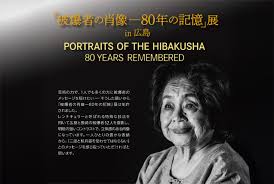
A cornerstone of this effort is the exhibition “Portraits of Hibakusha― 80 Years Remembered.” Conveying the reality of the atomic bombings through the power of art, the exhibition features the portraits of 52 hibakusha (atomic bomb survivors) from Hiroshima and Nagasaki, alongside their enduring messages of peace. During this exhibition, I observed a significant moment of individual transformation. A 14-year-old student, initially unfamiliar with the historical specifics of the bombings, was visibly shaken by the evidence of the devastation. However, her reaction moved beyond mere emotional distress. She demonstrated a remarkable level of agency—returning to the beginning of the exhibition to meticulously record the testimonies of all 52 survivors.
This was not an act of passive consumption, but of proactive ownership. Her subsequent essay, published in a municipal booklet, represents the transition from a bystander to a stakeholder. This 7 evolution underscores the functional value of education: it converts historical data into a commitment to future stability. If we are to move beyond the current impasse, we must redefine the core of disarmament education.
Keiko Ogura, a survivor and advocate, articulates a concept that functions as a necessary counterbalance to technical security doctrines: The most vital element of disarmament education is the imagination to feel the pain of others. If a child is weeping across the ocean, can we feel those tears as our own? If a nuclear weapon were to fall here, what would become of our own beloved families? Fostering large numbers off individuals who can imagine the concrete reality of such suffering is, in truth, the ultimate deterrent to ensure these weapons are never used.
For the realist, these words represent the most impregnable barrier against the triggering of a nuclear launch. Behind the sterile metrics of security frameworks are the human lives that bear the ultimate cost. Fostering a global citizenry capable of visualizing the granular reality of nuclear impact is a strategic necessity for preventing the “rational” escalation to nuclear use.
Regardless of the current geopolitical drift, we cannot allow the prospect of progress to be eclipsed by fatalism. The capacity to alter the trajectory of history does not reside solely in the military capabilities of nation-states, but in the collective will of the individual. Education is the primary mechanism for cultivating this will and forging the solidarity required for long-term stability.
The path toward a world free of nuclear weapons is steep and fraught with complexity, yet it is a strategic imperative we must pursue. We will continue to prioritize individual dialogue and grassroots action, driven by the conviction that human agency remains the most powerful force for transforming global reality.
This text was contributed to the report of the media project titled, "Toward A World without Nuclear Weapons" promoted by INPS Japan in partnership with Soka Gakkai International. The report compiles project articles published between April 2025 and March 2026.
INPS Japan